Apple’s annual iPhone launch always grabs attention. The marketing promises faster performance, better cameras, and shiny new features. But for everyday users, the question remains: do you really need the latest model?
Or will your current iPhone (or even an older model) continue to do the job just fine? Let’s look at what actually matters without drowning in tech jargon.
Everyday Performance vs. Marketing Hype
For most people, an iPhone serves as a tool for making calls, sending texts, emails, taking photos, and engaging in social media. The newest iPhones are indeed faster and more powerful, but the truth is that last year’s models, and even those from two or three years ago, still handle those everyday tasks smoothly. Unless you’re editing videos professionally or gaming heavily, you’re unlikely to notice a massive difference in speed.
Apple has also provided software updates for iPhones for many years, ensuring that older models continue to run safely and reliably. That long support life makes upgrading every single year unnecessary for most users. When choosing smartphones, focus on features you’ll actually use instead of chasing every new release.
Camera Improvements: Do You Notice Them?
The iPhone camera is a significant selling point each year. Yes, the newest model may take slightly sharper photos in low light or offer advanced zoom options. But for day-to-day snapshots, family pictures, and social media posts, even a three-year-old iPhone camera performs well.
The differences matter most if photography is your hobby or profession. If you want good photos of vacations, pets, and birthdays, your current iPhone may already meet your needs. For casual users, the jump in camera quality is often more subtle than Apple’s advertising suggests.
To explore alternatives, see Best Budget Smartphones That Still Feel Premium.
Battery Life and Charging Convenience
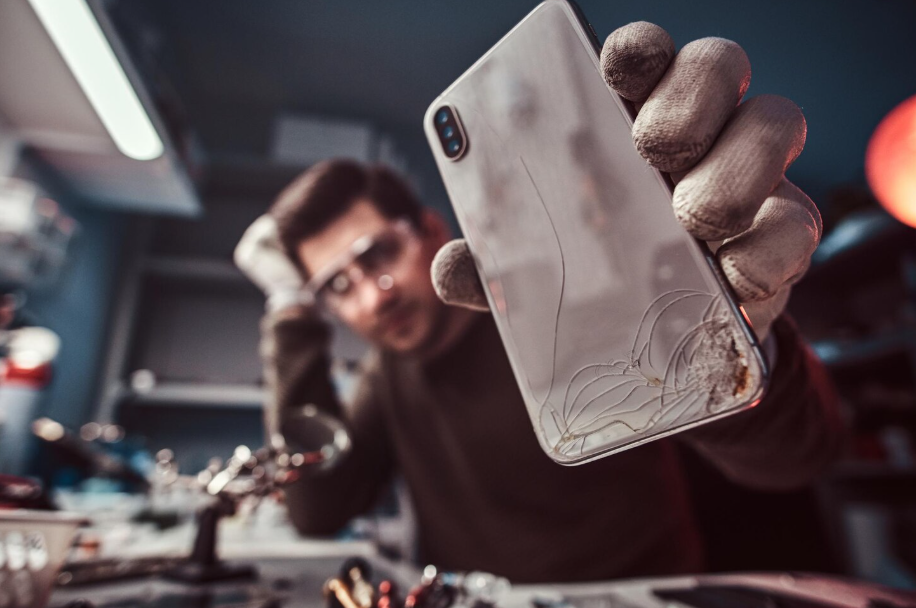
A common reason people consider upgrading is battery life. Newer iPhones do have slightly larger batteries and improved efficiency, but if your current phone’s battery drains quickly, replacing the battery is often a more cost-effective option than buying a new device. Apple offers affordable battery replacement programs that can breathe new life into older phones.
Charging options have also evolved with newer models, but if your existing iPhone charges overnight and lasts throughout the day, you may not feel the need to make a change. The “all-day battery” promise has been around for years, and most models hold up well enough with proper care.
If you’re weighing your options, see Do You Really Need AppleCare or Device Insurance?
Storage, Apps, and Everyday Use
Storage space can be a deciding factor. If you constantly run out of room for photos and apps, upgrading to a higher-capacity iPhone makes sense. However, many people can manage their space by using iCloud or other cloud storage services, which can be more cost-effective than purchasing a new device.
As for apps, nearly all popular ones continue to run well on older iPhones as long as they’re updated. Unless your favorite apps stop supporting your model, you won’t notice a big difference in usability between a new iPhone and one that’s a few generations behind.
If you’re unsure about upgrading, see Is It Time to Replace Your Old Phone?.
The Verdict: Upgrade or Hold Off?
So, do you really need the latest iPhone? For most everyday users, the answer is no. If your current iPhone still runs smoothly, takes decent pictures, and holds a day’s charge, you’re not missing out on much. The most significant improvements are usually incremental and nice to have, but not essential.
That said, if your phone feels sluggish, struggles with the latest apps, or the battery won’t last even a few hours, upgrading could be worth it. Otherwise, sticking with your current device and waiting a couple more years is the smarter move for your wallet.
Summing It Up
The newest iPhone is always tempting, but the reality is that everyday users don’t need to upgrade as often as Apple would like them to think. Your phone remains a powerful and capable device for years, thanks to Apple’s long-standing software support.
Unless you rely on professional-level photography, need more storage, or your phone is truly on its last legs, you can comfortably hold off on the latest model. Choosing to wait saves money, reduces electronic waste, and proves that sometimes the best upgrade is simply making the most of what you already have.