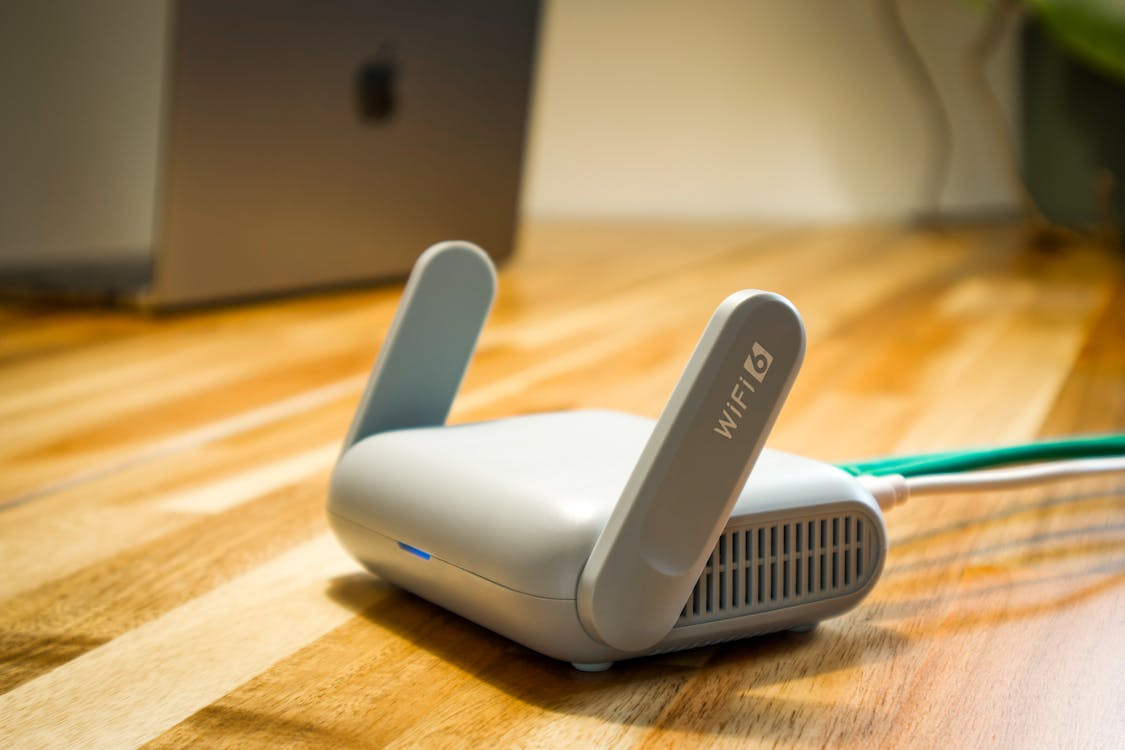
When your Wi-Fi slows down, it’s tempting to think a pricey new router will fix everything. High-end models advertise faster speeds, better coverage, and futuristic designs. But do you really need one, or will a standard router suffice? The answer depends on your home setup and how you use the internet.
What Expensive Routers Promise
Premium routers often come equipped with advanced features, including faster processors, multiple antennas, and broader coverage areas. They’re designed to handle dozens of connected devices simultaneously, making them appealing for large households or smart homes with numerous gadgets.
Some also offer extras, such as built-in security software, parental controls, and advanced customization options for gamers or power users. If you’re constantly streaming 4K video, gaming online, and running smart devices all at the same time, these router features may actually help.
When a Standard Router Is Enough
For most households, a basic router is perfectly fine. If you mainly browse, stream shows, and check social media, you probably won’t notice much difference between a mid-range router and a top-tier one. Internet speed is often limited more by your service provider than your router.
If your connection feels slow, the problem might not be the router at all. It could be outdated devices, too many people streaming at once, or your internet plan itself. Upgrading your service may be more effective than spending hundreds of dollars on hardware.
For help diagnosing basic Wi-Fi problems, see Wi-Fi Made Simple: What to Do When It’s Slow.
Factors That Really Matter
Instead of focusing on price, think about your actual needs. The size of your home, the number of people online, and the types of activities you engage in will guide your decision. A smaller apartment won’t need the same equipment as a large home with multiple floors.
Placement also plays a role. Sometimes, moving your router to a more central location can instantly improve coverage, with no new purchase required. Simple adjustments can often make a bigger impact than spending extra on advanced features you’ll never use.
Don’t Forget About Mesh Systems
If your primary concern is coverage, a mesh Wi-Fi system may be a more cost-effective investment than a single, expensive router. Mesh systems use multiple units placed around your home to create a stronger, more consistent signal. This helps eliminate dead zones without relying on a single powerful device.
They can be easier to set up and often come with user-friendly apps to manage settings. For large homes or complex layouts, mesh systems typically solve problems more effectively than simply buying a premium router.
To see how routers work alongside other gadgets, check out The Easy Way to Connect Smart Home Devices.
Signs You Might Benefit from a Higher-End Router
- You live in a large home and struggle with dead zones.
- Your household has many devices connected at the same time.
- You do heavy gaming or 4K streaming that demands stable speeds.
- You want built-in parental controls or advanced security tools.
If none of these apply, a mid-range router is usually the wiser choice.
Summing It Up
An expensive router isn’t automatically better for everyone. For most households, a standard model paired with a reliable internet plan will suffice.
Consider your actual needs before spending more. The real key to faster Wi-Fi may be your provider, not your router.
For more insights into how your home setup plays a role, see Smart Home vs Regular Device: What’s Worth It?.