Laptops and smartphones are among the most frequently used gadgets in our daily lives. But when something goes wrong, you’re left with a tough choice: should you repair it or invest in a new one?
When you’re facing damage, such as a cracked screen, a slow operating system, or a weak battery that won’t last the day, here’s how to decide without overthinking.
Signs It’s Worth Repairing
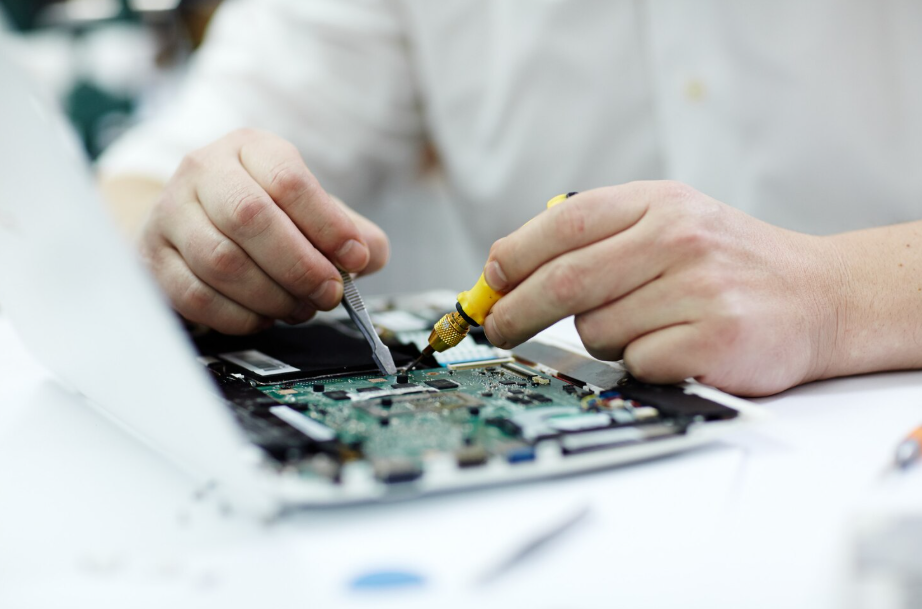
Some problems are relatively inexpensive to fix and can extend your device’s life by years. Replacing a cracked phone screen, swapping out an old battery, or upgrading a laptop’s storage drive are all repairs that usually cost less than buying new.
Repairs also make sense if your device is still meeting your everyday needs. If your phone takes the photos you want and your laptop runs the programs you use, a quick fix could save you hundreds of dollars.
To see another way to save money, check out Should You Buy Refurbished Tech?
When Replacing Is the Wiser Choice
There comes a point when throwing money at repairs no longer makes sense. If your phone no longer gets software updates, replacing it may be safer for your security. Similarly, if your laptop is more than five years old and struggles to run basic apps, upgrading is often more cost-effective than trying to patch it up.
Another clue is the repair cost. If a fix is close to half the price of a new device, it’s usually smarter to upgrade. That way, you get modern features, extended support, and better performance without investing more money in outdated hardware.
If you’re comparing options, see Tablets vs Laptops: Which Is Better for Everyday Use?
Hidden Costs to Consider
Repairs aren’t just about the initial price tag. Consider the downtime without your device. Waiting for parts can sometimes take a week alone. Depending on where you live, travel may be required to and from the repair shop. Since time is money, all of this time should be considered a cost. For individuals who rely on their devices for work or school, minimizing downtime is crucial.
On the flip side, buying new often means setting everything up again, transferring files, and learning new features. That process can be stressful, especially if you’re attached to your current device’s setup.
Environmental Impact of Your Choice
There’s also an eco-friendly angle to consider. Repairing extends the life of your device and keeps e-waste out of landfills. Replacing adds to the demand for new production, which uses valuable resources.
If you care about sustainability, repairing whenever possible is a smart move. Even replacing only when necessary helps reduce your tech footprint while saving you money in the long run.
For a deeper dive on your options, check out The Best Simple Laptops for Everyday Use.
Key Takeaways
Deciding whether to repair or replace comes down to three things: cost, performance, and longevity. Minor fixes can stretch your device’s life, but once it becomes outdated, slow, or expensive to repair, replacement is usually the better path.
Consider how you use your device, the repair costs, and whether a new one will genuinely enhance your daily life. With that approach, you’ll make the choice that saves both money and headaches.