Phones aren’t designed to last forever, but knowing when to upgrade isn’t always clear. Some people replace their devices every year, while others hold onto theirs until they barely work. The right timing depends on performance, usability, and whether your phone still fits your lifestyle.
Signs Your Phone Is Slowing Down
One of the biggest clues that it’s time to upgrade is performance. If apps take forever to load, your phone freezes regularly, or it struggles with simple tasks like texting or browsing, that’s a red flag.
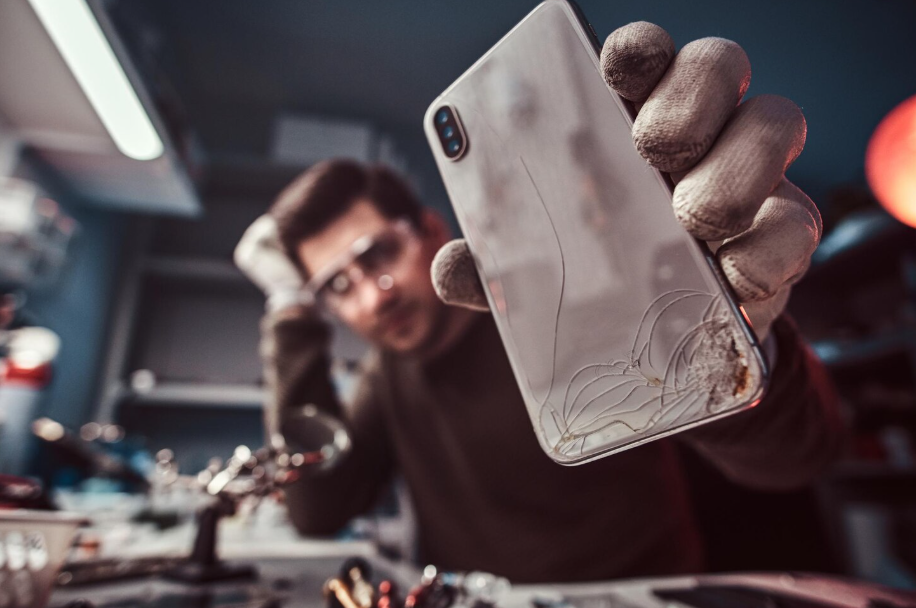
Battery life is another big factor. If your phone no longer lasts through the day, even after fully charging it, the battery may be wearing out. While battery replacements are possible in older models, the repair cost may not be worth it compared to buying a new one.
For quick fixes before replacing, see How to Keep Your Phone Battery Alive Longer.
When Software Becomes the Problem
Even if your phone still works, a lack of software updates can make it risky. Outdated phones eventually stop receiving security patches, leaving you more vulnerable to hacks or malware. You may also find certain apps no longer work with older versions of iOS or Android.
If your phone can’t handle the apps you rely on, or if you’re worried about online safety, that’s a sign the hardware itself isn’t the only issue—it’s the support behind it.
Lifestyle Changes That Drive Upgrades
Sometimes the reason to replace your phone isn’t technical, but practical. Maybe you’ve started taking more photos and need a better camera. Or you’re working remotely and need a device that supports faster connections, such as 5G.
Your phone should fit your life. If your current one leaves you frustrated, limited, or constantly searching for workarounds, upgrading may not only improve performance but also your daily routine.
If you’re debating whether faster connections are worth it, see Is 5G Actually Better for You?
The Cost of Waiting Too Long
Holding onto an outdated phone can sometimes cost more than upgrading. Repair bills, constant charging, or missing key security updates may add up to frustration and hidden expenses.
If you find yourself spending time and money to keep your phone functional, it may be smarter to put that effort toward a newer device.\
When Holding On Still Makes Sense
Not every slow or outdated phone needs immediate replacement. If the main issue is storage, clearing out old apps and photos might buy you more time. A simple battery swap could also extend the life of an otherwise functional device.
For light users, those who primarily make calls, send texts, and occasionally browse, the latest features may not be necessary. As long as your phone is safe, functional, and reliable, holding on a bit longer is perfectly fine.
If cost is on your mind, see Best Budget Smartphones That Still Feel Premium.
Summing It Up
You don’t have to replace your phone the moment a new model drops. The decision ultimately comes down to performance, security, and whether your device still aligns with your lifestyle.
If your phone is slowing you down or leaving you unprotected, it’s probably time to upgrade. But if it’s still doing everything you need, there’s no rush—your phone is still serving its purpose.