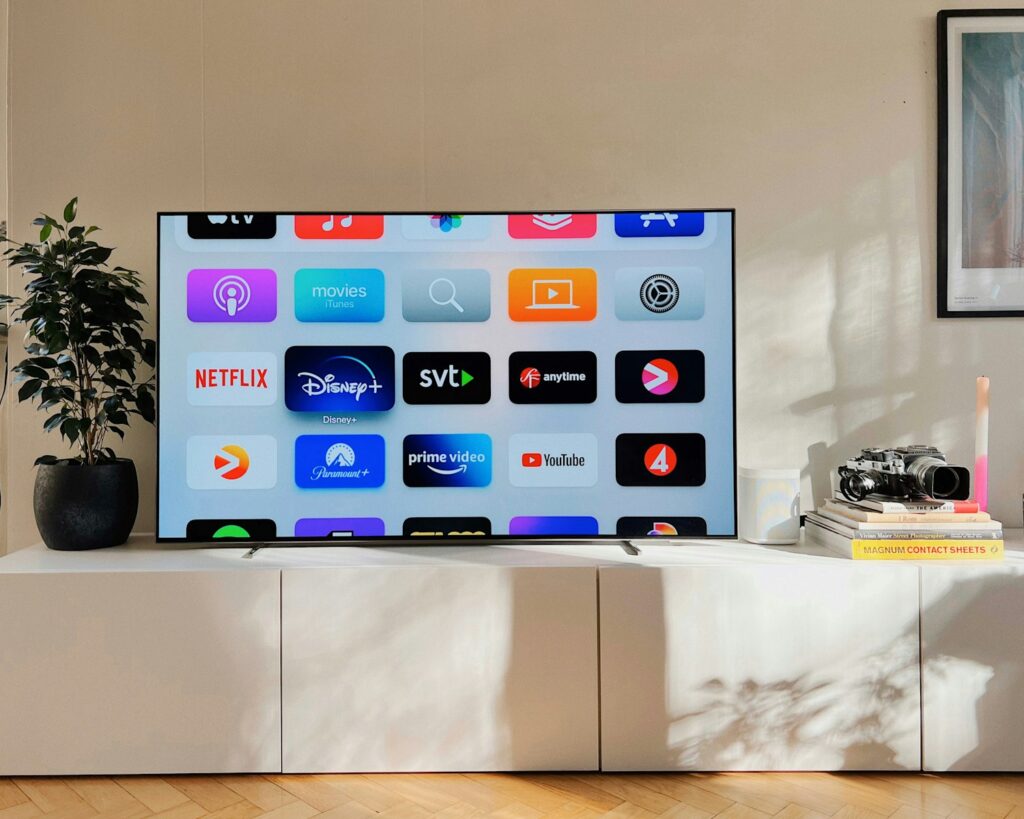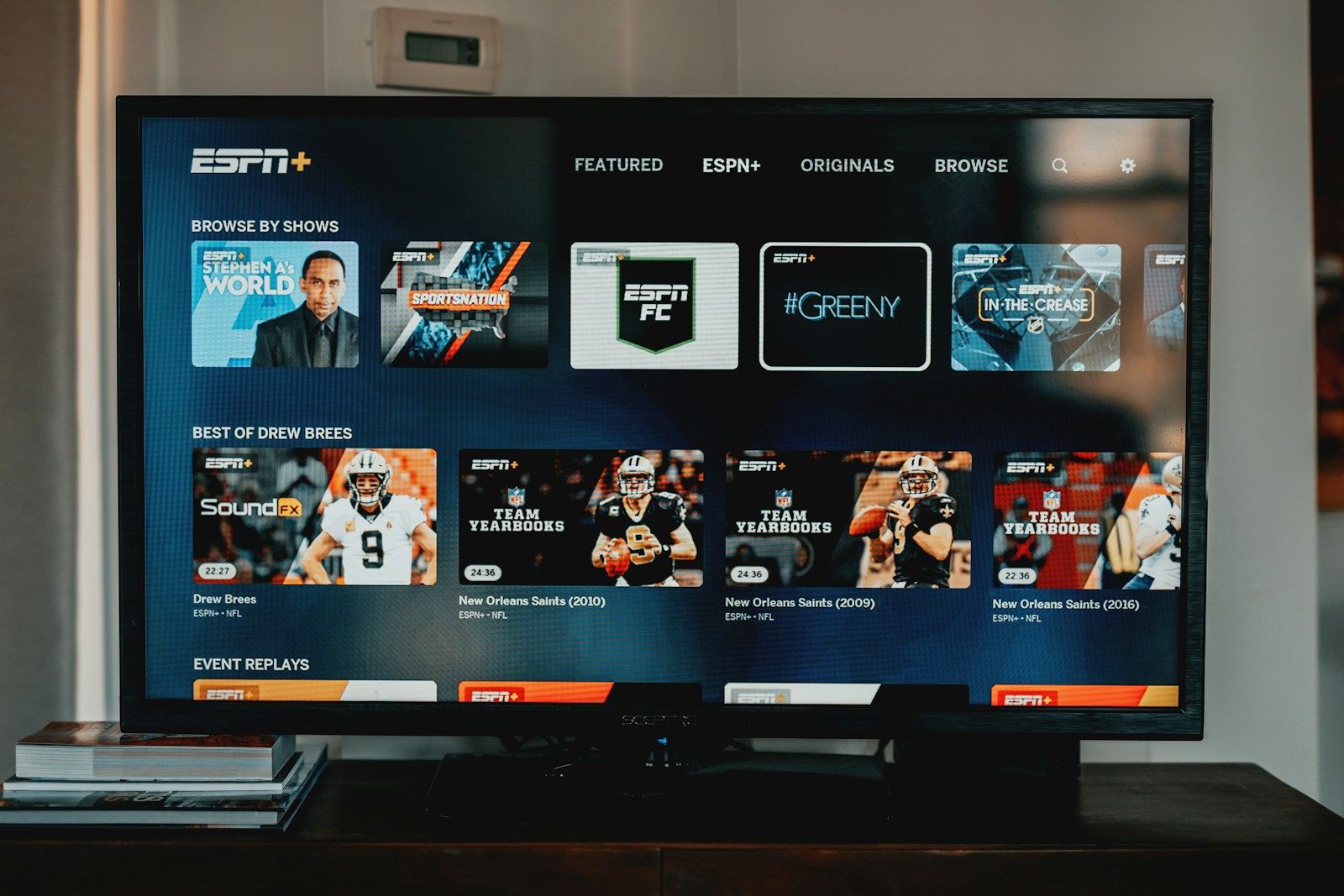
Modern televisions come with built-in streaming apps that sound like a simple all-in-one solution. Still, many tech reviewers recommend purchasing a separate streaming device for improved consistency and reliability. Understanding the differences between streaming boxes and smart TV apps may help you decide which approach offers smoother daily use and longer-lasting value.
Roku and Fire Stick models have built strong followings among people who prioritize steady performance over the convenience of built-in apps. The biggest weakness of smart TVs seems to be their short software lifespan. Many brands stop updating older models long before the screens themselves wear out, whereas streaming boxes continue to receive updates for years.
Set Up Simplicity: Getting Started
Built-in TV apps do win the first round for convenience. You can usually switch on your new television, connect to Wi-Fi, and start watching straight away. There’s no need for extra hardware or tangled cables.
Key advantages that make streaming boxes worth the extra setup:
- Better app support: Streaming boxes tend to stay compatible with newer services, even after smart TVs lose access to them.
- Cheaper to replace: When software fails or hardware ages, replacing a £35 streaming stick is far less painful than buying a new TV.
- More variety: Roku stands out for its clean interface, flexible organization, and plenty of free channels for extra shows.
Still, that quick-start advantage with built-in apps fades over time. Reviewers often point out that streaming sticks and boxes can make even premium smart TVs run smoother and stay current with the latest apps.
Read More: Do You Really Need AppleCare or Device Insurance?
Long-Term Reliability and Performance
The biggest drawback of relying on TV apps is the limited support they offer. Manufacturers prefer selling new sets over maintaining software for old ones, often dropping updates within just a few years. Samsung, for instance, has phased out older apps in updates, leaving some customers unable to use services they paid for.
Streaming boxes, on the other hand, are made to last longer. Roku and Amazon usually keep devices updated for five years or more. When built-in apps start crashing or lagging, replacing a small stick is cheaper and simpler than replacing the entire screen. Attempts to roll back buggy updates on smart TVs rarely solve the problem for long.
The difference in performance becomes more noticeable as time passes. Streaming boxes get steady improvements, while smart TV processors age without them. Users often notice slower app loading, freezing, or lower video quality on TV apps after only a couple of years. Streaming devices, meanwhile, continue running smoothly with regular updates.
Read More: Smart Home vs Regular Device: What’s Worth It?
Making Your Streaming Decision
Comparing streaming boxes vs smart TV apps usually shows external devices to be the safer choice for anyone planning to keep their television for a while. Spending a small amount upfront on a Roku or Fire TV Stick may save you from a major expense later.
If you replace TVs frequently or only use a few major services that are unlikely to lose support, built-in apps may be sufficient for now. Still, most people get more reliable service and flexibility with a dedicated streaming device that stays current and performs well for years.
If you’re ready to upgrade your viewing setup, try adding a Roku or Fire TV Stick, even if your television already has built-in apps. You’ll likely get smoother streaming and fewer update headaches over time.
Read More: Do You Really Need a Smartwatch? Signs It’s Worth It