You’ve probably seen ads claiming that 5G is “the future of mobile.” Carriers promise faster speeds, smoother streaming, and better connections. But does 5G really change your everyday phone experience, or is it hype? For most people, the truth lies somewhere in the middle.
What 5G Actually Means for Speed
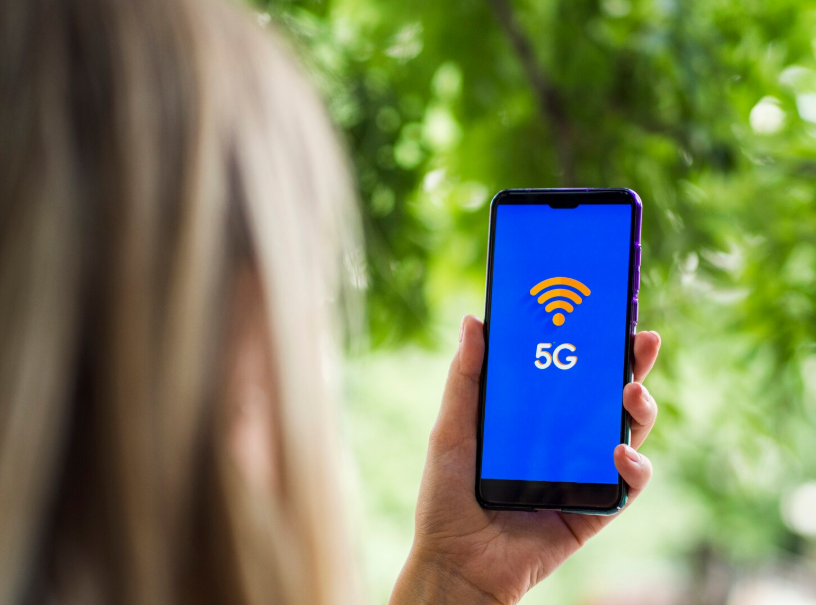
The most significant upgrade that 5G offers is faster data transmission. On paper, it can be up to 10 times quicker than 4G LTE, which sounds huge. In real life, that means apps download faster, videos buffer less, and video calls stay clearer even when in busy areas.
But here’s the catch: not all 5G is created equal. The blazing-fast version only works in limited areas, such as downtown or stadiums. The more widespread version is only a bit faster than 4G, which means the difference might not feel dramatic unless you’re streaming or downloading large files.
If you’re wondering how this ties to phone performance, see How to Keep Your Phone Battery Alive Longer.
Everyday Benefits You Might Notice
For many users, the real benefits of 5G become apparent in small ways. Apps update more quickly in the background, so you’re less likely to be held up waiting. Streaming music or podcasts loads instantly, even when you’re on the go. Video calls feel more stable with fewer quality drops.
If you travel frequently or live in a crowded city, you may notice the most significant improvements. 5G networks are designed to handle more devices at once, which means less slowdown when lots of people are connected in the same area.
Do You Need to Upgrade Right Now?
If you’re undecided about whether to upgrade immediately, the short answer is probably not, unless your phone is already due for its replacement. Most newer phones already support 5G, but upgrading just for the network isn’t necessary if your current phone is working fine. Carriers are still expanding coverage, so in some areas, you won’t see much difference yet.
If you stream videos daily, rely on hotspot tethering, or do a lot of video calling for work, then 5G may make your experience smoother. However, if your primary phone use is texting, making calls, and light browsing, you won’t gain much by upgrading right away.
Debating whether your device is due for replacement? Read Is It Time to Replace Your Old Phone?.
Signs 5G Might Be Worth It for You
- You often use your phone in crowded places where 4G feels slow.
- You travel frequently and want stronger coverage.
- You stream movies or music on the go almost every day.
- You use your phone as a hotspot for work or school.
- You’re already planning to upgrade to a newer phone soon.
If none of those apply, sticking with 4G until your next upgrade is perfectly acceptable.
Summing It Up
5G is better—but only in ways you’ll notice if you’re a heavy phone user or often in high-traffic areas. For everyday calls, texts, and light browsing, 4G still works just fine.
The good news is that when you eventually upgrade your phone, 5G will already be included, ready to give you faster speeds when you need them. Until then, there’s no rush to switch just for the sake of it.
See Best Budget Smartphones That Still Feel Premium for more options.